Naming |
| Botanical Name: |
Rubus idaeus
|
| Common Names: |
red raspberry; European Raspberry; Wild Raspberry
|
| Key Name: |
Red Raspberry
|
| Parts Used: |
Leaves, fruit, root
|
| Sister Plants: |
Rubus fruticosus, Rubus occidentalis, Rubus arcticus
|
| Comments: |
Thorny shrub with significant pollinator support; widely cultivated globally
|
Taxonomy |
| Kingdom |
Viridiplantae |
Phylum |
Streptophyta |
| Class |
Magnoliopsida |
Order |
Rosales |
| Family |
Rosaceae |
Genus |
Rubus |
| Species |
idaeus |
NCBI Tax ID |
32247
|
| Organism |
Rubus idaeus
|
|
Characteristics |
| Identifying Character: |
Thorny shrub (3-6 ft), prickly stems, serrated oval Leaves, white flowers, red berries
|
| Stem: |
Prickly, green to reddish-brown
|
| Leaves: |
Oval, serrated, 2-4 inches, light green with white underside
|
| Flowers: |
White, 5-petaled flowers in clusters, blooming May-July
|
| Fruit: |
Red berries, 1-2 cm, ripening June-August
|
| Taste: |
Sweet-tart (fruit), Astringent (Leaves)
|
| Odour: |
Mild, fruity scent from flowers
|
| Root: |
Fibrous, shallow root system; spreads via rhizomes
|
| Image: |
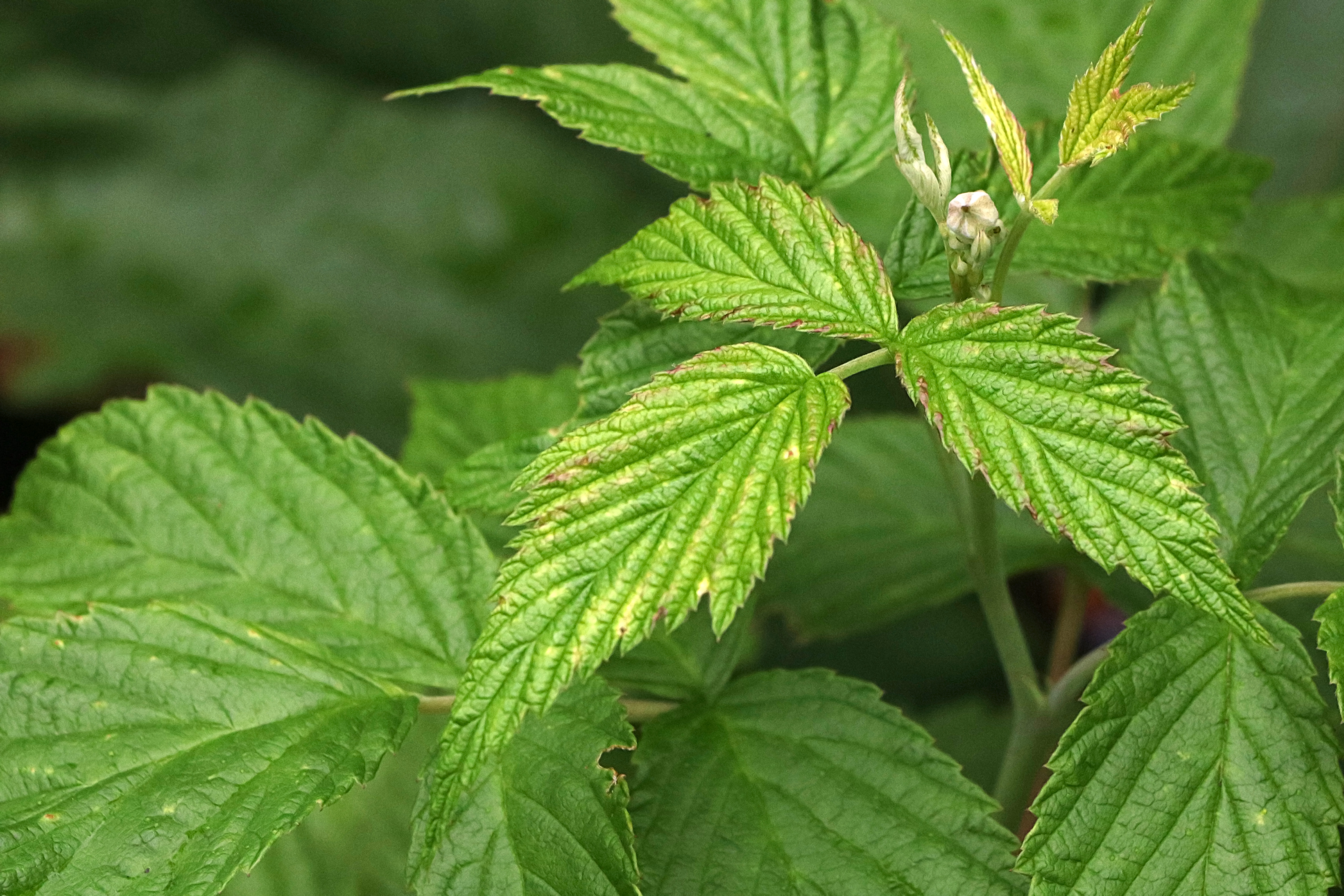
GBIF — CC BY-NC-ND

GBIF — CC BY-NC-ND
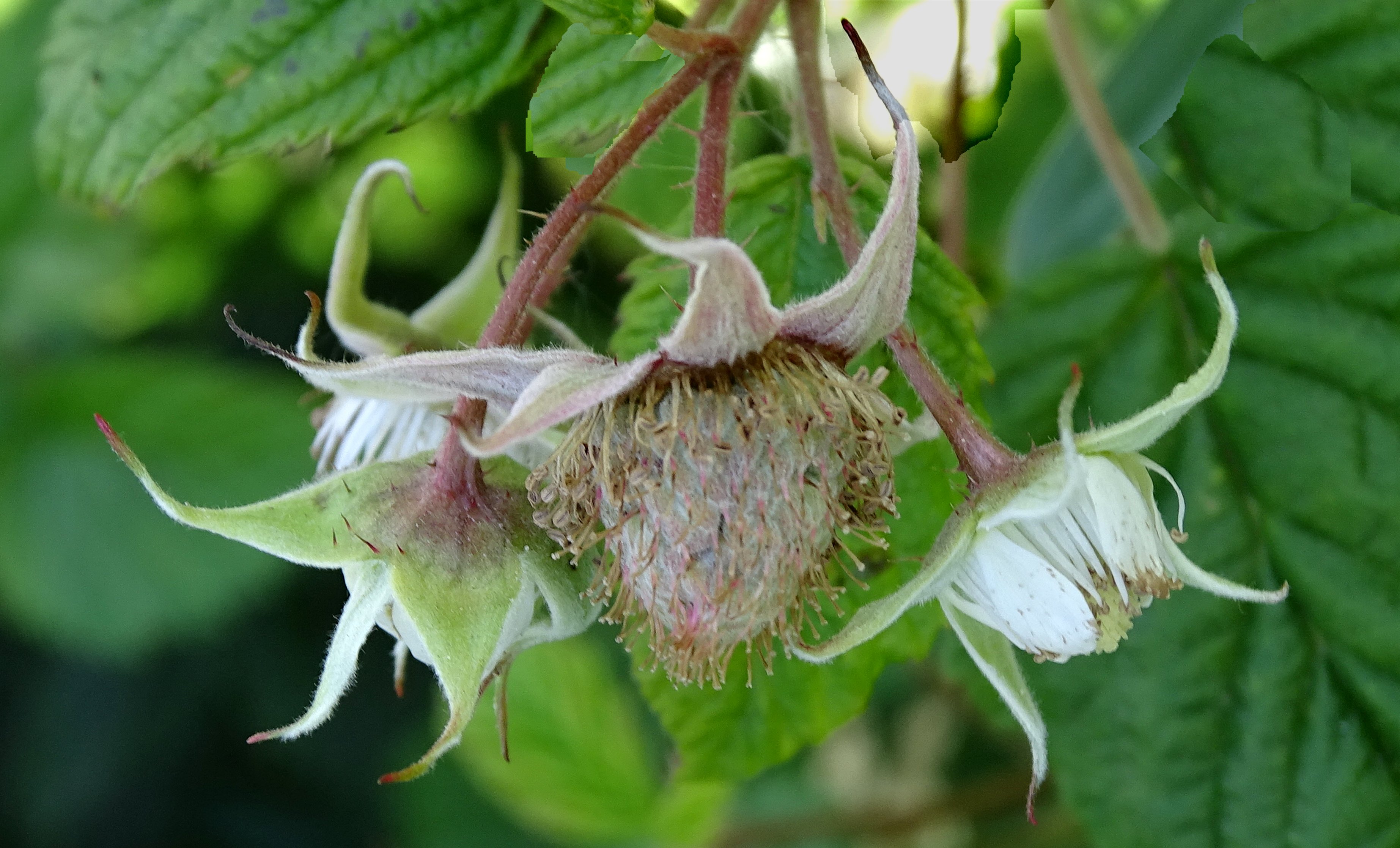
GBIF — CC BY-NC-ND
GBIF — CC BY-NC-ND
GBIF — CC BY-NC-ND
GBIF — CC BY-NC-ND
GBIF — CC BY-NC-ND
GBIF — CC BY-NC-ND
GBIF — CC BY-NC-ND
|
Distribution |
| Distribution: |
Europe, North America, naturalized worldwide
|
| Cultivation: |
Prefers well-drained soil, full Sun to partial shade; propagate by cuttings PROPAGATION:\n1. CUTTINGS (Softwood, June-July): Cut 6-inch tips from healthy canes, remove lower Leaves, dip in rooting hormone, plant in moist perlite/sand mix. Root in 3-6 weeks. Success: 80-90%.\n2. LAYERING (Summer): Bend a flexible cane to soil, bury middle 6 inches, pin with wire. roots form in 6-8 weeks. Sever and transplant.\n3. DIVISION (Spring/Fall): Dig up 1-2 year-old plants, divide rhizomes into 6-inch sections with buds, replant immediately.\n\nTRANSPLANTING:\n1. Best time: Early spring or late fall (dormant).\n2. Dig wide: Keep 12-inch root ball.\n3. Plant at same depth, 2-3 ft apart in rows 6-8 ft apart.\n4. Water deeply for 2 weeks; mulch 2-3 inches with straw or wood chips.\n5. Cut back canes to 6 inches to reduce stress.\n\nSITE: Full Sun to partial shade, well-drained loamy soil, pH 5.5-6.5. Mulch annually. Prune dead canes after fruiting. Hardy zones 3-9.\n\nVIDEO GUIDES:\n??? How to Propagate Raspberries: https://youtu.be/8x9k8mY3n2w\n??? Transplanting Raspberries: https://youtu.be/6pL3vWq8zX0\n??? Full Raspberry Care: https://extension.umaine.edu/gardening/manual/fruits/raspberries/
|
| Harvest: |
Leaves: Summer; Fruit: Late summer
|
Medical |
| Therapeutic Action: |
Astringent, Diuretic, uterine tonic, Antioxidant
|
| Medical Uses: |
Used for Pregnancy support, Diarrhea, Urinary issues, and as an Antioxidant; Leaves for uterine health
|
| Constituents: |
Class="enCy-Constituent-link" data-Cid="31" title="Tannins">Tannins, Class="enCy-Constituent-link" data-Cid="83" title="Class="enCy-Constituent-link" data-Cid="176" title="flavonoids (Flavonoids)">flavonoids (Class="enCy-Constituent-link" data-Cid="176" title="flavonoids (Flavonoids)">flavonoids)">Class="enCy-Constituent-link" data-Cid="176" title="flavonoids (Flavonoids)">flavonoids, Class="enCy-Constituent-link" data-Cid="122" title="fragarine (fragarine)">fragarine, Class="enCy-Constituent-link" data-Cid="33" title="Vitamin C">Vitamin C
|
| Solvents: |
Water, alcohol (Tincture), glycerin
|
| Dosage: |
infusion: 1 tsp dried Leaves in hot water; Fruit: 10-20 berries daily
|
| Administration: |
Internal: infusion or raw fruit; External: Poultice for skin
|
| Formulas: |
|
| Contraindications: |
May cause mild Allergic reactions; avoid Excessive use in Pregnancy; consult healthcare provider
|
| Preparation: |
infusion: Steep 1 tsp dried Leaves in hot water for 10 minutes; Tincture: Steep 1 part Leaves in 5 parts alcohol for 2-4 weeks
|
| Chinese: |
No documented use in Traditional Chinese Medicine
|
| Veterinary: |
Used for uterine health or wound treatment in livestock
|
| Homeopathic: |
No known homeopathic use documented
|
Pollination and Pollinators |
| Apis: |
No
|
| Pollinator: |
1
|
| Pollen: |
Yes
|
| Pollen Notes: |
Wind-dispersed, visited by bees for pollen
|
| Nectar: |
Yes
|
| Nectar Notes: |
Attracts bees for nectar, supports pollinator health
|
Other |
| Non-Medical Uses: |
Wood for crafts, dye from Leaves, wildlife food
|
| Culinary Uses: |
Fruit eaten fresh, dried, or in jams; Leaves in teas
|
| History: |
Used in European and Native American herbal traditions for centuries
|
| Reference: |
Plants For A Future; European Herbal Traditions
|
| URL: |
https://www.pfaf.org/user/Plant.aspx?LatinName=Rubus+idaeus
|
| Share: |
Private
|