Naming |
| Botanical Name: |
Rudbeckia hirta
|
| Common Names: |
Brown-eyed Susan; Yellow Ox-eye Daisy
|
| Key Name: |
Black-eyed Susan
|
| Parts Used: |
Leaves, flowers, roots
|
| Sister Plants: |
Rudbeckia fulgida, Echinacea spp., Coreopsis spp.
|
| Comments: |
Short-lived perennial or biennial highly attractive to pollinators; thrives in prairies and gardens
|
Taxonomy |
| Kingdom |
Viridiplantae |
Phylum |
Streptophyta |
| Class |
Magnoliopsida |
Order |
Asterales |
| Family |
Asteraceae |
Genus |
Rudbeckia |
| Species |
hirta |
NCBI Tax ID |
52299
|
| Organism |
Rudbeckia hirta
|
|
Characteristics |
| Identifying Character: |
Short-lived perennial/biennial (1-3 ft), erect hairy stem, rough lance-shaped Leaves, yellow flower heads with dark brown centers (2-3 in), blooming summer to fall
|
| Stem: |
Erect, 1-3 ft, hairy, green
|
| Leaves: |
Lance-shaped, 2-6 inches, rough, dark green
|
| Flowers: |
Yellow flower heads with dark brown centers, 2-3 in, blooming June-October
|
| Fruit: |
Small achenes, 2-3 mm, with short pappus
|
| Taste: |
Bitter (Leaves), mild (flowers)
|
| Odour: |
Mild, earthy scent from flowers
|
| Root: |
Fibrous root system, sometimes taprooted
|
| Image: |
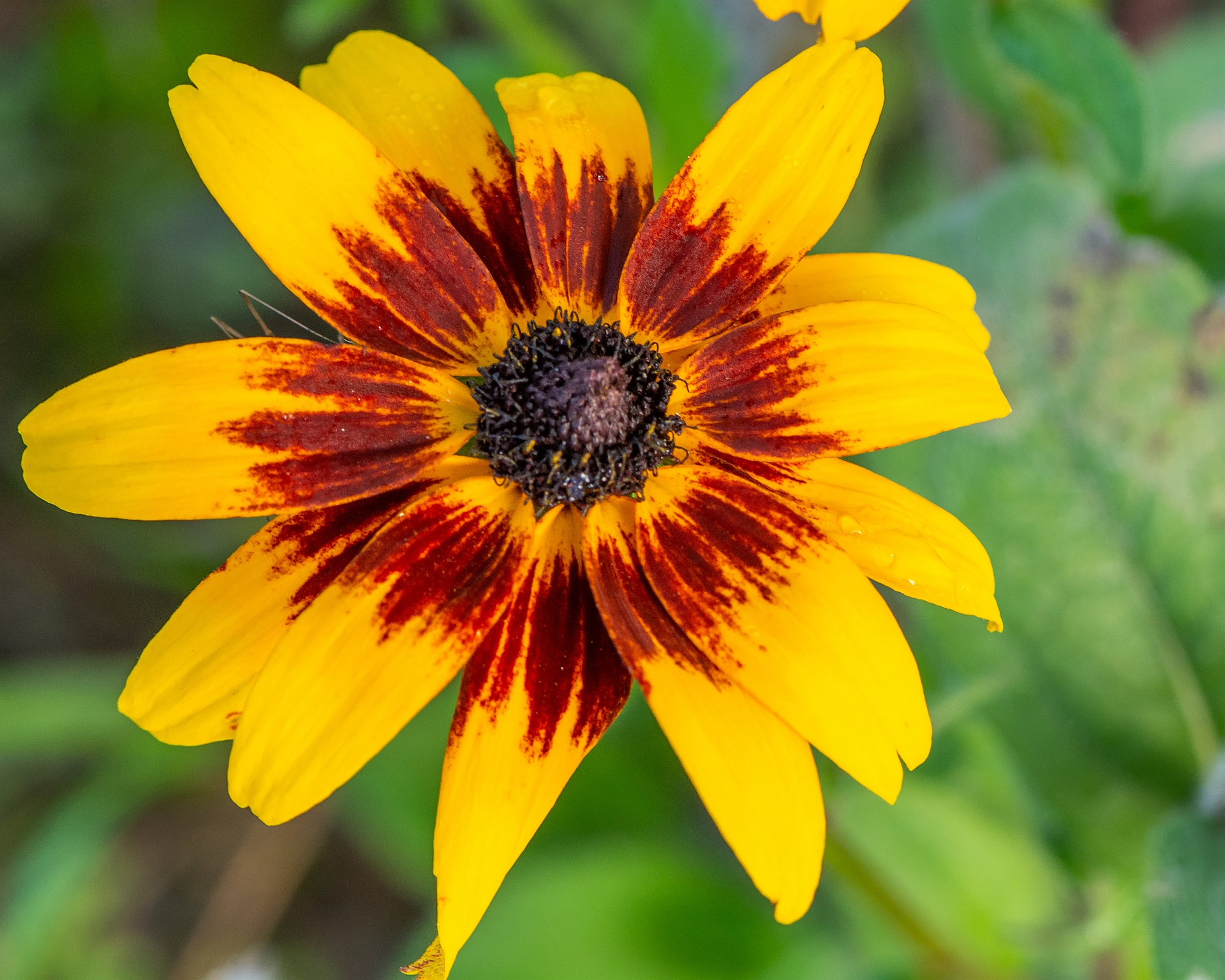
GBIF — CC BY-NC
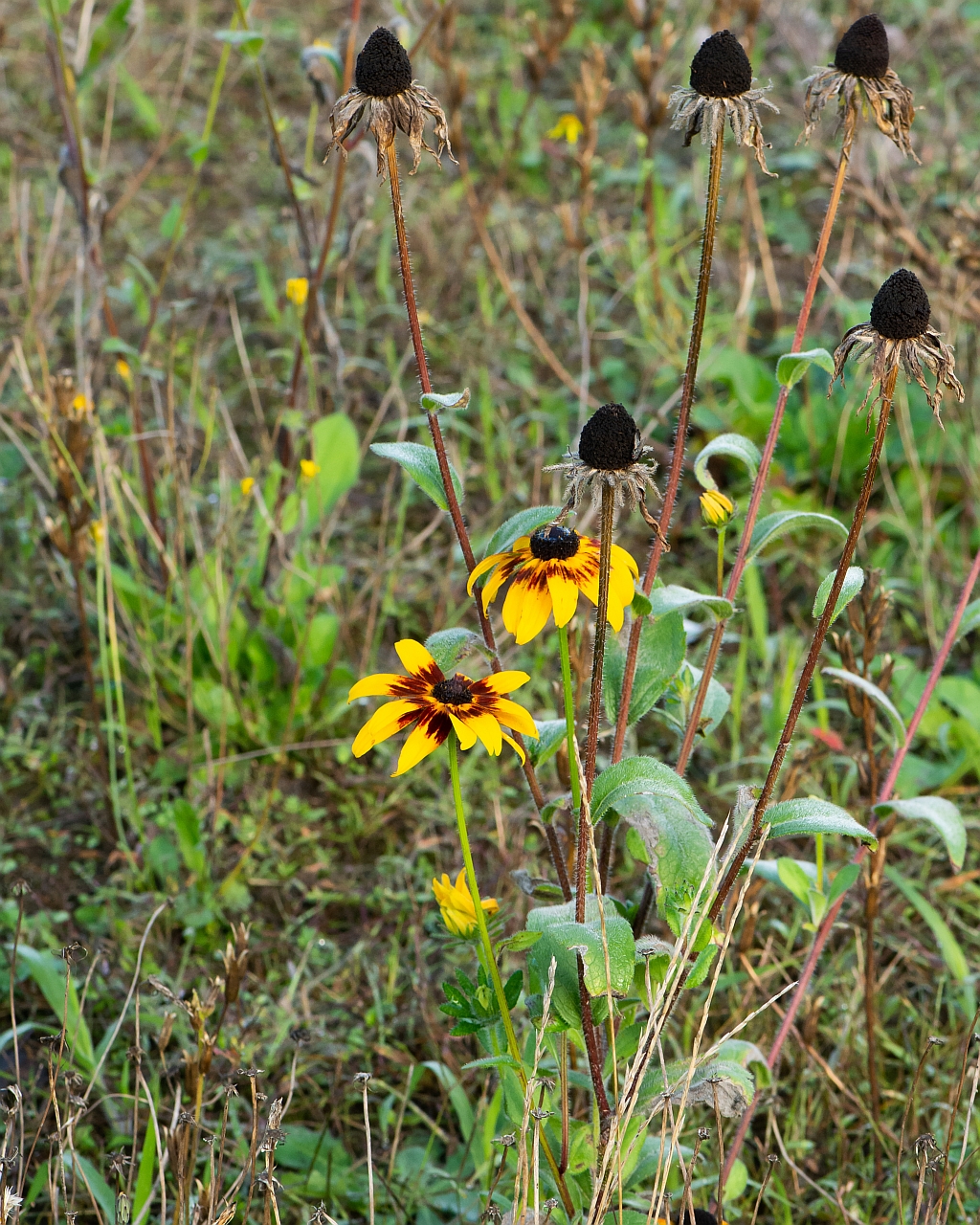
GBIF — CC BY-NC
GBIF — CC BY-NC
GBIF — CC BY-NC
GBIF — CC BY-NC
GBIF — CC BY-NC
|
Distribution |
| Distribution: |
Native to North America, cultivated elsewhere
|
| Cultivation: |
Plant in full Sun, well-drained soil; sow seeds in spring or fall; space 12-18 inches apart; water moderately until established, tolerates drought
|
| Harvest: |
Leaves/Flowers: Summer to fall (June-October); roots: Fall
|
Medical |
| Therapeutic Action: |
Anti-inflammatory, Astringent, Diuretic, Expectorant
|
| Medical Uses: |
Used for Colds, sore throats, Inflammation, Urinary issues, and as a mild Diuretic; roots for snake bites, Leaves for poultices
|
| Constituents: |
flavonoids (flavonoids)">flavonoids, Tannins, phenolic acids, essential oils
|
| Solvents: |
Water, alcohol (Tincture)
|
| Dosage: |
infusion: 1 tsp dried leaves/flowers in hot water, 1-2 times daily; Tincture: 1-2 mL three times daily
|
| Administration: |
Internal: infusion or Tincture; External: Poultice for Inflammation
|
| Formulas: |
|
| Contraindications: |
May cause Allergic reactions (e.g., Contact dermatitis); avoid in Pregnancy; consult healthcare provider
|
| Preparation: |
infusion: Steep 1 tsp dried leaves/flowers in hot water 10 min; Tincture: Steep 1 part herb in 5 parts alcohol for 2-4 weeks
|
| Chinese: |
No documented use in Traditional Chinese Medicine
|
| Veterinary: |
Used for wound treatment or Digestive support in livestock
|
| Homeopathic: |
No known homeopathic use documented
|
Pollination and Pollinators |
| Apis: |
No
|
| Pollinator: |
1
|
| Pollen: |
Yes
|
| Pollen Notes: |
Pollen attracts bees, butterflies; some self-pollination
|
| Nectar: |
Yes
|
| Nectar Notes: |
Nectar-rich, attracts bees, butterflies, beneficial insects
|
Other |
| Non-Medical Uses: |
ornamental, erosion control, wildlife habitat
|
| Culinary Uses: |
Young Leaves and flowers edible in salads or cooked (use sparingly)
|
| History: |
Used by Native Americans for medicine; popularized in European gardens since 18th century
|
| Reference: |
Plants For A Future; USDA NRCS
|
| URL: |
https://www.pfaf.org/user/Plant.aspx?LatinName=Rudbeckia+hirta
|
| Share: |
Private
|