Naming |
| Botanical Name: |
Viola odorata
|
| Common Names: |
Common Violet; English Violet
|
| Key Name: |
Sweet Violet
|
| Parts Used: |
Leaves, flowers, root
|
| Sister Plants: |
Viola tricolor, Viola sororia, Viola canadensis
|
| Comments: |
Low-growing perennial with significant pollinator support; widely used in herbal traditions
|
Taxonomy |
| Kingdom |
Viridiplantae |
Phylum |
Streptophyta |
| Class |
Magnoliopsida |
Order |
Malpighiales |
| Family |
Violaceae |
Genus |
Viola |
| Species |
odorata |
NCBI Tax ID |
97441
|
| Organism |
Viola odorata
|
|
Characteristics |
| Identifying Character: |
Low-growing perennial (4-8 inches), heart-shaped Leaves, fragrant purple or white flowers, creeping stems
|
| Stem: |
Creeping, green, slightly hairy
|
| Leaves: |
Heart-shaped, 1-3 inches, dark green with purple tinge
|
| Flowers: |
Purple or white, 5-petaled flowers, blooming March-May
|
| Fruit: |
Small, oval capsules, 1 cm, containing seeds
|
| Taste: |
Mildly sweet (flowers), slightly Bitter (Leaves)
|
| Odour: |
Strong, sweet floral scent from flowers
|
| Root: |
Fibrous, shallow root system; ground cover
|
| Image: |
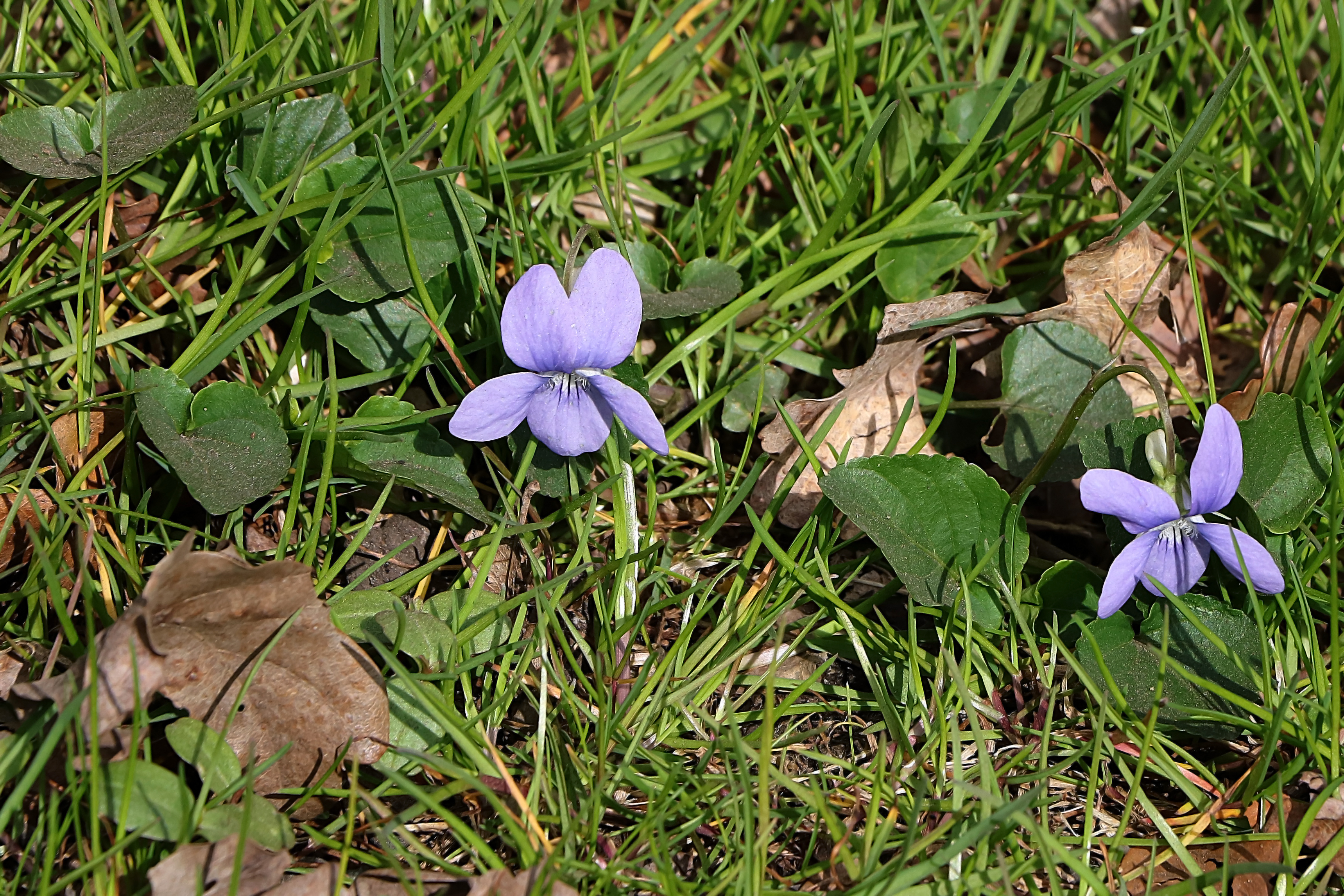
GBIF — CC BY-NC-ND
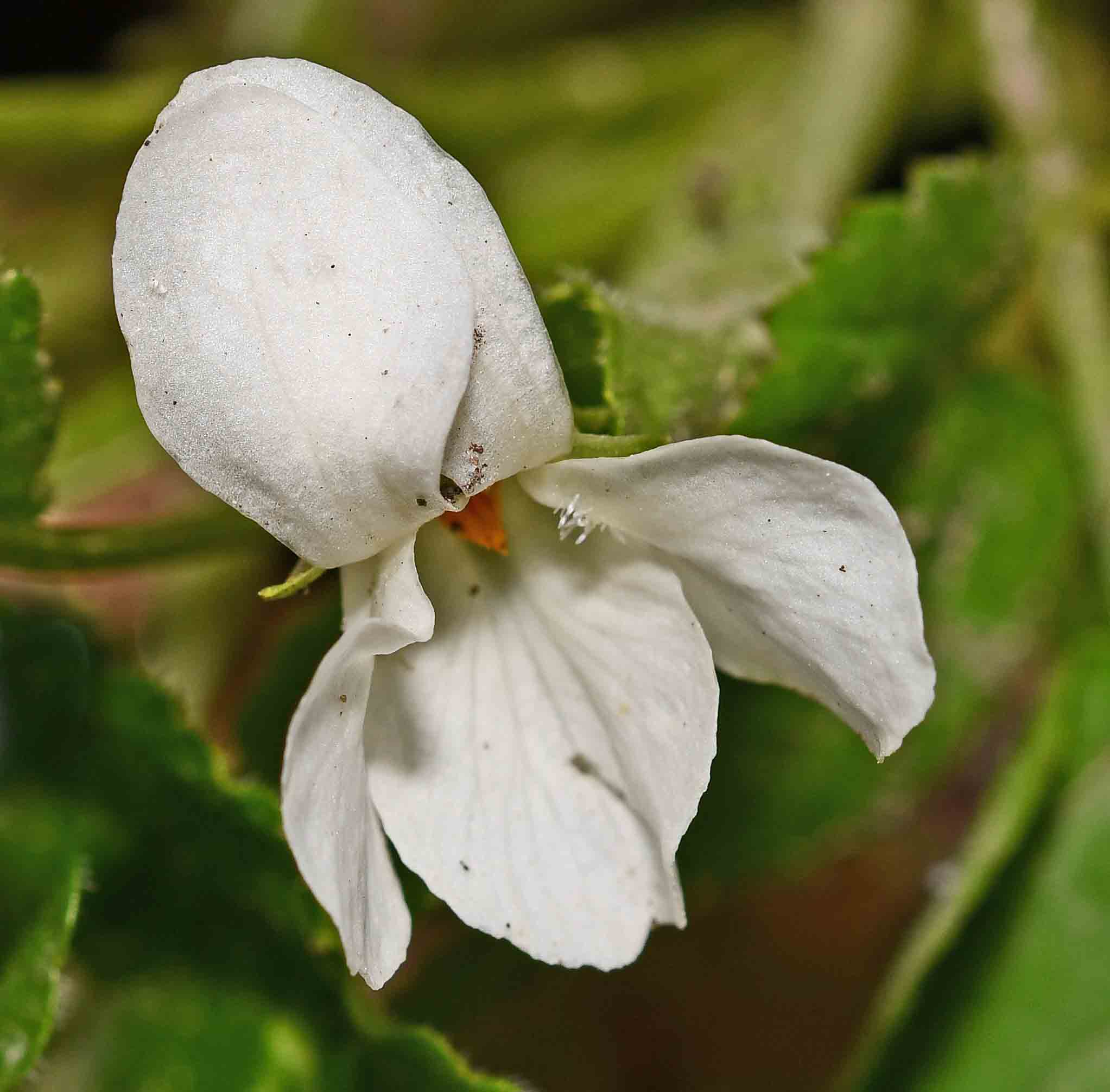
GBIF — CC BY
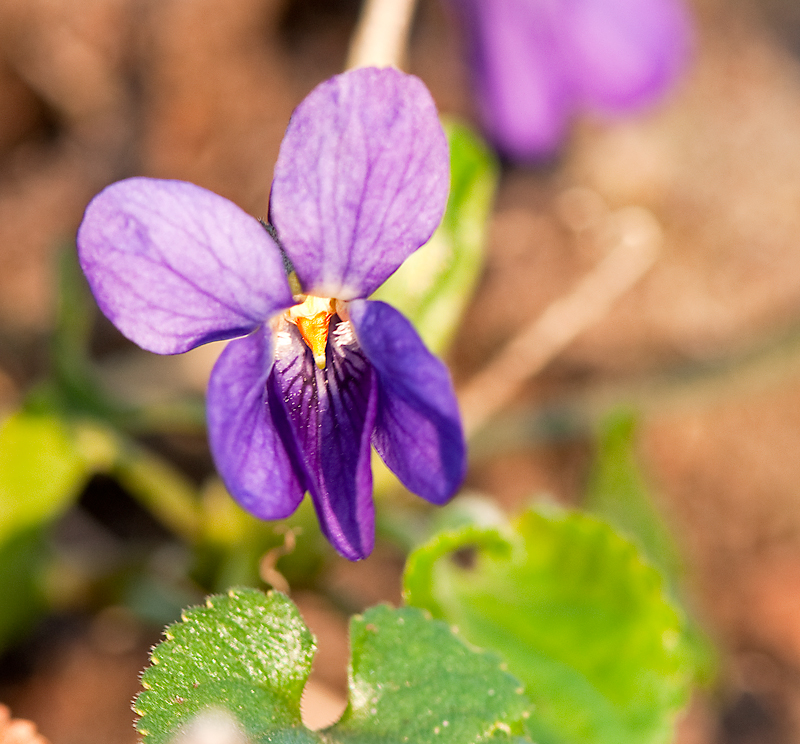
GBIF — CC BY-NC
GBIF — CC BY-NC-ND
GBIF — CC BY
GBIF — CC BY-NC
GBIF — CC BY-NC-ND
GBIF — CC BY
GBIF — CC BY-NC
|
Distribution |
| Distribution: |
Europe, North Africa, naturalized in North America
|
| Cultivation: |
Prefers moist, well-drained soil, partial shade; propagate by division
|
| Harvest: |
flowers: Spring; Leaves: Spring to summer; Root: Fall
|
Medical |
| Therapeutic Action: |
Expectorant, Diuretic, Anti-inflammatory, Sedative
|
| Medical Uses: |
Used for coughs, Bronchitis, Urinary issues, skin inflammation, and mild sedation; flowers for respiratory health
|
| Constituents: |
Violine, flavonoids (flavonoids)">flavonoids, Mucilage (Mucilage)">Mucilage, salicylic acid
|
| Solvents: |
Water, alcohol (Tincture), glycerin
|
| Dosage: |
infusion: 1 tsp dried flowers in hot water; Tincture: 5-10 drops in water 2-3 times daily
|
| Administration: |
Internal: infusion or Tincture; External: Poultice for skin
|
| Formulas: |
|
| Contraindications: |
May cause nausea if overused; avoid in Pregnancy; consult healthcare provider
|
| Preparation: |
infusion: Steep 1 tsp dried flowers in hot water for 10 minutes; Tincture: Steep 1 part flowers in 5 parts alcohol for 2-4 weeks
|
| Chinese: |
No documented use in Traditional Chinese Medicine
|
| Veterinary: |
Used for respiratory support or skin treatment in livestock
|
| Homeopathic: |
No known homeopathic use documented
|
Pollination and Pollinators |
| Apis: |
No
|
| Pollinator: |
1
|
| Pollen: |
Yes
|
| Pollen Notes: |
Wind-dispersed, visited by bees for pollen
|
| Nectar: |
Yes
|
| Nectar Notes: |
Attracts bees for nectar, supports pollinator health
|
Other |
| Non-Medical Uses: |
ornamental planting, dye from flowers, perfume ingredient
|
| Culinary Uses: |
flowers in salads, syrups, or candied; Leaves in teas
|
| History: |
Used in European herbal medicine since ancient times; valued in perfumery
|
| Reference: |
Plants For A Future; European Herbal Traditions
|
| URL: |
https://www.pfaf.org/user/Plant.aspx?LatinName=Viola+odorata
|
| Share: |
Private
|