Naming |
| Botanical Name: |
Populus deltoides, Populus angustifolia, Populus trichocarpa, Populus balsamifera
|
| Common Names: |
Black Cottonwood; Eastern Cottonwood; Fremont Cottonwood; Balm of Gilead; Poplar
|
| Key Name: |
Cottonwood
|
| Parts Used: |
Buds, bark, leaves, inner bark
|
| Sister Plants: |
Willows (Salix spp.), Poplars (Populus alba, Populus balsamifera), Aspens (Populus tremuloides)
|
| Comments: |
Versatile tree with ecological and medicinal significance; used globally for millennia
|
Taxonomy |
| Kingdom |
Viridiplantae |
Phylum |
Streptophyta |
| Class |
Magnoliopsida |
Order |
Malpighiales |
| Family |
Salicaceae |
Genus |
Populus |
| Species |
deltoides |
NCBI Tax ID |
3696
|
| Organism |
Populus deltoides
|
|
Characteristics |
| Identifying Character: |
Large tree (150-200 ft), deeply furrowed grey-brown Bark, shiny dark green Leaves with silvery undersides, heart-shaped or triangular Leaves with coarse teeth, resinous buds in winter, cottony seeds in summer
|
| Stem: |
Smooth light grey in young trees, deeply furrowed dark brown with age
|
| Leaves: |
Triangular, 3-7 cm, shiny green above, silvery below, coarse crenate-serrate teeth
|
| Flowers: |
Catkins (male: reddish, 2-3 cm; female: green, 8-20 cm), bloom March-April
|
| Fruit: |
Light green seed capsules, split into 3 valves, release cottony seeds
|
| Taste: |
Bitter (Bark, Leaves), resinous (buds)
|
| Odour: |
Sweet, balsamic, pine-honey-like scent from buds
|
| Root: |
Extensive, aggressive root system; can sprout from broken roots
|
| Image: |
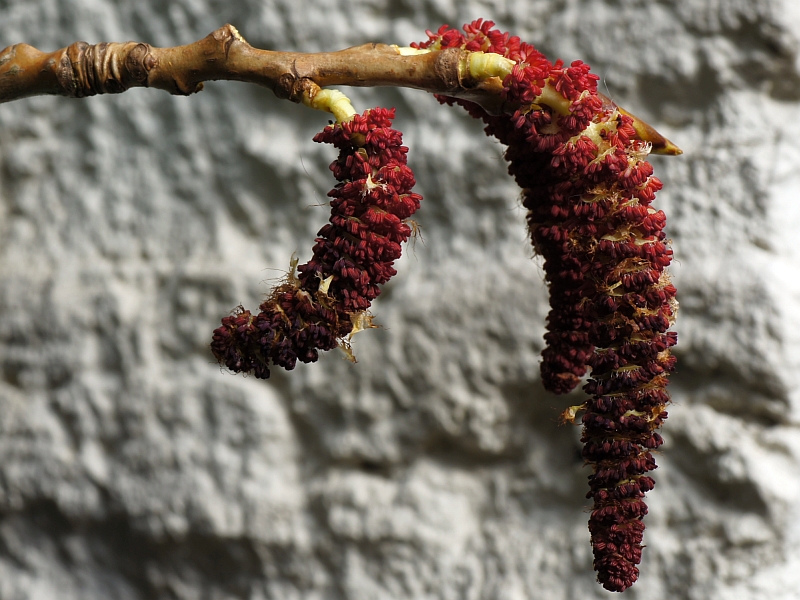
GBIF — CC BY-NC-ND

Populus deltoides
Wikipedia — Wikimedia
GBIF — CC BY-NC-ND
Populus deltoides
Wikipedia — Wikimedia
GBIF — CC BY-NC-ND
|
Distribution |
| Distribution: |
North America (riparian zones, wetlands, floodplains), Europe, Asia; prefers moist, alluvial soils
|
| Cultivation: |
Grows in moist, well-drained alluvial soils; propagates via root sprouts or cuttings; tolerates some salt
|
| Harvest: |
Buds: Late winter/early spring from fallen branches; Bark: From fallen limbs; Leaves: Spring/summer
|
Medical |
| Therapeutic Action: |
Anti-inflammatory, Analgesic, Antimicrobial, Expectorant, Diuretic, Diaphoretic, Astringent
|
| Medical Uses: |
Relieves muscle pain, Arthritis, swelling, Fever, respiratory conditions (Bronchitis, pneumonia, Asthma), Colds, coughs, skin conditions (Burns, Eczema, cuts), Urinary tract infections, Scurvy prevention
|
| Constituents: |
Salicin (aspirin precursor), salicylates, Tannins, flavones, antioxidants, resins
|
| Solvents: |
Oil (olive, sesame), alcohol (vodka, brandy), honey
|
| Dosage: |
External: Apply salve/oil as needed; Internal: 15-30 drops Tincture in water every 2-3 hours; honey: 1 tsp in tea
|
| Administration: |
External: Salve, oil, liniment for pain, skin issues; Internal: Tincture, honey infusion, steam inhalation
|
| Formulas: |
Combine with arnica, St. John???s Wort for pain salve; usnea, saxifrage, licorice for Sore Throat spray
|
| Contraindications: |
May cause allergies (skin rashes, respiratory irritation); avoid in aspirin-sensitive individuals; consult healthcare provider before internal use
|
| Preparation: |
Infused oil: Cover buds with olive oil, heat low (100-140??F) 2-3 days or steep 6 weeks; Tincture: 2 parts alcohol to 1 part buds
|
| Chinese: |
No documented use in Traditional Chinese Medicine
|
| Veterinary: |
Used for chafing sores, swollen horse legs; wash for Wounds
|
| Homeopathic: |
No known homeopathic use documented
|
Pollination and Pollinators |
| Apis: |
No
|
| Pollinator: |
1
|
| Pollen: |
Yes
|
| Pollen Notes: |
Wind-dispersed, may cause allergies; bees collect for propolis
|
| Nectar: |
Yes
|
| Nectar Notes: |
Used by bees for propolis; supports pollinator health
|
Other |
| Non-Medical Uses: |
Wood for friction fires, saddle trees, baskets; Bark for buckets, fiber; resin as bee propolis; ecological role in air/soil purification
|
| Culinary Uses: |
Inner Bark historically eaten by Native Americans to prevent Scurvy; not common in modern cuisine
|
| History: |
Used by Native Americans (e.g., Cherokee for Rheumatism, Scurvy); European settlers for Fever, Malaria; Biblical Balm of Gilead reference
|
| Reference: |
Moore, Michael. Medicinal Plants of the Mountain West; NCBI; Herbalremediesadvice.org
|
| URL: |
https://www.herbalremediesadvice.org/cottonwood-benefits.html
|
| Share: |
Private
|